Blog

Trending Interior Design Concepts and Ideas for the Modern Home

Have you ever walked into a space and instantly felt at ease, or maybe unsettled because something about the design felt off? Interior design can do that. It can uplift our moods, help us stay organized, and make us feel more connected to our surroundings. Trends come and go, and sometimes they circle back in surprising ways. But there’s a core of timeless ideas that keep returning, refreshed with new materials or colors. I’m going to share some thoughts on popular interior design concepts that many people are trying out right now. Maybe you’ll find a detail that speaks to you.

Embracing Natural Elements

People are bringing the outside in. Wood, stone, bamboo, and other natural materials are all over the place. This approach can make a home feel alive, even if you live in the middle of a concrete jungle. One way to do this is by selecting furniture with visible wood grain. Another way is to choose tiles or countertops that look like they came from nature. You might even see living walls or small vertical gardens in bathrooms or kitchens. The idea is to connect with the earth, especially when we spend so much time indoors.

Using natural materials doesn’t have to be expensive. You can repurpose old wooden pallets or pick up secondhand wood furniture. Yes, it’s sometimes frustrating to find pieces that match perfectly, but a bit of imperfection can feel honest. It’s like a gentle reminder that homes are for living in, not just for showing off.

Subtle Earth Tones

Bright walls used to be a big deal, but many homeowners are now choosing soft and muted colors. Think shades like clay, beige, dusty pink, or sage green. They feel calming and can complement both modern and vintage furniture. Plus, they play well with natural light. If your room has large windows, these tones will reflect sunlight without being harsh.

To add depth, consider layering similar shades. For example, a beige sofa with dusty pink pillows and a light-colored rug can create a cozy environment. You can also sprinkle in some contrasting darker elements, like charcoal throw blankets or navy-blue accent chairs, to keep the palette from feeling flat.

Multi-Functional Rooms

The pandemic taught us something about spaces. We need them to be more than one thing. A bedroom might double as a home office. A living room might have a dedicated corner for yoga or a small workout setup. This shift is still going strong. Designers are looking for ways to blend work, play, and rest into the same space without it feeling cluttered.

If you have limited square footage, this can be a challenge. You might need to experiment with foldable furniture or items that do more than one job. For example, a desk that also functions as a dining table, or a sofa bed that can turn your living room into a guest room at night. Some people might laugh at the idea of working where they eat, but if you plan things out with the right layout, it can be pretty seamless.

Mixing Vintage and Modern

It seems that a lot of folks are done with purely minimalist or all-modern looks. They want something that feels personal. One way to do this is by adding vintage pieces to a contemporary space. Imagine a modern home with clean lines, but there’s a vintage rug in the dining area or a retro lamp by the sofa. It adds character. It can also be a nice conversation starter when people visit.

Of course, finding authentic vintage items can take time. Estate sales, thrift shops, or online marketplaces might have hidden gems. If you feel a bit overwhelmed, you can pick one standout piece—like a vintage dresser—and let it be the star of the room. The rest of the space can stay modern and functional. This blend keeps things interesting without looking like your grandmother’s living room.

Bringing Plants Indoors

Yes, plants have been popular for a while, but they aren’t going away anytime soon. It’s not just succulents and small cacti, either. Larger plants like fiddle-leaf figs or rubber trees can add height and drama. They also clean the air, which is a bonus for anyone spending hours at home. And they bring color to rooms that rely on neutral tones.

If you’re not great at keeping plants alive, try low-maintenance varieties like snake plants or pothos. They can handle low light and irregular watering schedules. It’s pretty cool to see your plant grow over time, and it often surprises guests when they notice a new leaf. Plants can also be arranged in groups to create a small jungle corner, which can be a calming spot to read or reflect.

Textured Surfaces

Texture is the quiet hero in interior design. You might not notice it right away, but it can change how a room feels. Smooth surfaces like glossy countertops or sleek finishes can be balanced with rougher, more tactile materials. For example, a wool rug under a smooth coffee table, or a woven blanket draped over a leather chair. This contrast adds visual interest.

Even walls can get in on the texture game. Some people use limewash paint or textured wallpaper to give walls a subtle, uneven finish. Others might incorporate wood paneling or exposed brick for a rustic touch. It’s a nice way to draw attention without shouting. If you have a small space, though, be cautious. Too many textures can make the room feel busy. Select one or two statement textures and let them stand out.

Curved Lines and Shapes

Straight lines have dominated modern designs for a long time. Lately, curved furniture and accessories have made a comeback. Sofas, coffee tables, or even mirrors with rounded edges can soften the look of a room. They can also make a space feel more welcoming and less rigid. It’s almost like your room is giving you a friendly nod instead of a formal handshake.

If you worry that curved items might clash with your existing furniture, try to balance them out. Maybe a round coffee table in a room full of rectangular chairs. Or an arched floor lamp near a straight-lined sofa. The contrast can be pleasing. And you don’t need to go overboard. One curved piece might be enough to get the effect you want.

Sustainable and Upcycled Decor

Sustainability is a hot topic, and it’s shaping interior design, too. People are choosing materials that have a smaller carbon footprint or come from ethical sources. Upcycling old items is also becoming common. If you have a wooden ladder collecting dust in the garage, you can turn it into a bookshelf or a plant stand. It’s functional, and it’s a nice conversation piece. Sometimes these projects can be frustrating if you’re not a DIY person, but plenty of tutorials exist online to walk you through the steps.

Another trend is secondhand shopping. You can find almost-new furniture at a fraction of the cost. This reduces waste and gives items a second life. There’s a certain satisfaction in knowing you saved a piece from the landfill, especially if it looks amazing in your home. Just make sure to check for signs of damage before you buy. A simple scratch might be fixable, but structural damage may require more effort than it’s worth.

Highlighting Personal Hobbies

Designing around your hobbies can turn your home into a reflection of who you are. If you love music, display your instruments or set aside a reading nook filled with vinyl records. If you love movies, create a cozy media room with plush seating and good lighting. People are getting creative by dedicating a portion of their living space to what they truly enjoy. It doesn’t need to be extravagant. Even a small corner can showcase your interests.

When you center the design around a hobby, it brings authenticity to the space. It also means you’ll actually use that space, instead of treating it like a showroom. You might worry it will look cluttered, but with clever storage or shelving, your hobby can blend right in. Sometimes it’s just about having a plan, so all those odds and ends don’t end up scattered everywhere.

Adding Pops of Color

Neutrals and earth tones dominate many interiors right now, but there’s still room for bold color. Bright cushions, a striking piece of art, or a painted door can bring energy to a room. This tactic works best if the rest of your space is fairly muted, because the color really pops. If you have an all-neutral living room, a yellow accent chair or a turquoise rug can change the vibe without requiring a total renovation.

An alternative is painting one wall in a bold hue. Some people choose deep blues, emerald greens, or even burnt orange. It becomes a focal point, and you can tie it together with matching accessories. It might sound scary at first, but paint isn’t permanent. If you change your mind, you can always pick a different shade. It’s not the end of the world.

Final Thoughts

Interior design is part art, part function, and part personal expression. Some trends may stick around for years, while others will fade in a blink. The key is choosing concepts that actually fit your lifestyle. If you enjoy a minimalist setting, go for it. If you prefer cozy nooks stuffed with vintage finds, that’s cool too. There’s no single correct approach. The real measure of success is whether your home feels right for you. After all, it’s where you spend most of your time, so it should support how you live, rest, and grow.

Whether you’re drawn to natural materials, playful colors, or the practical side of multi-functional spaces, there are plenty of trends out there. But trends come and go, so you might want to mix them with classics you’ll love for years. Maybe you’ll find yourself repainting walls every few years, or maybe you’ll stick to one palette for a decade. It’s all good. You can refresh small pieces here and there and stay current without feeling like you’re chasing every new style. In the end, your home should make you feel comfortable, inspired, and maybe even a little excited to come back to at the end of the day.

Creative Ways to Display Your Book Collection

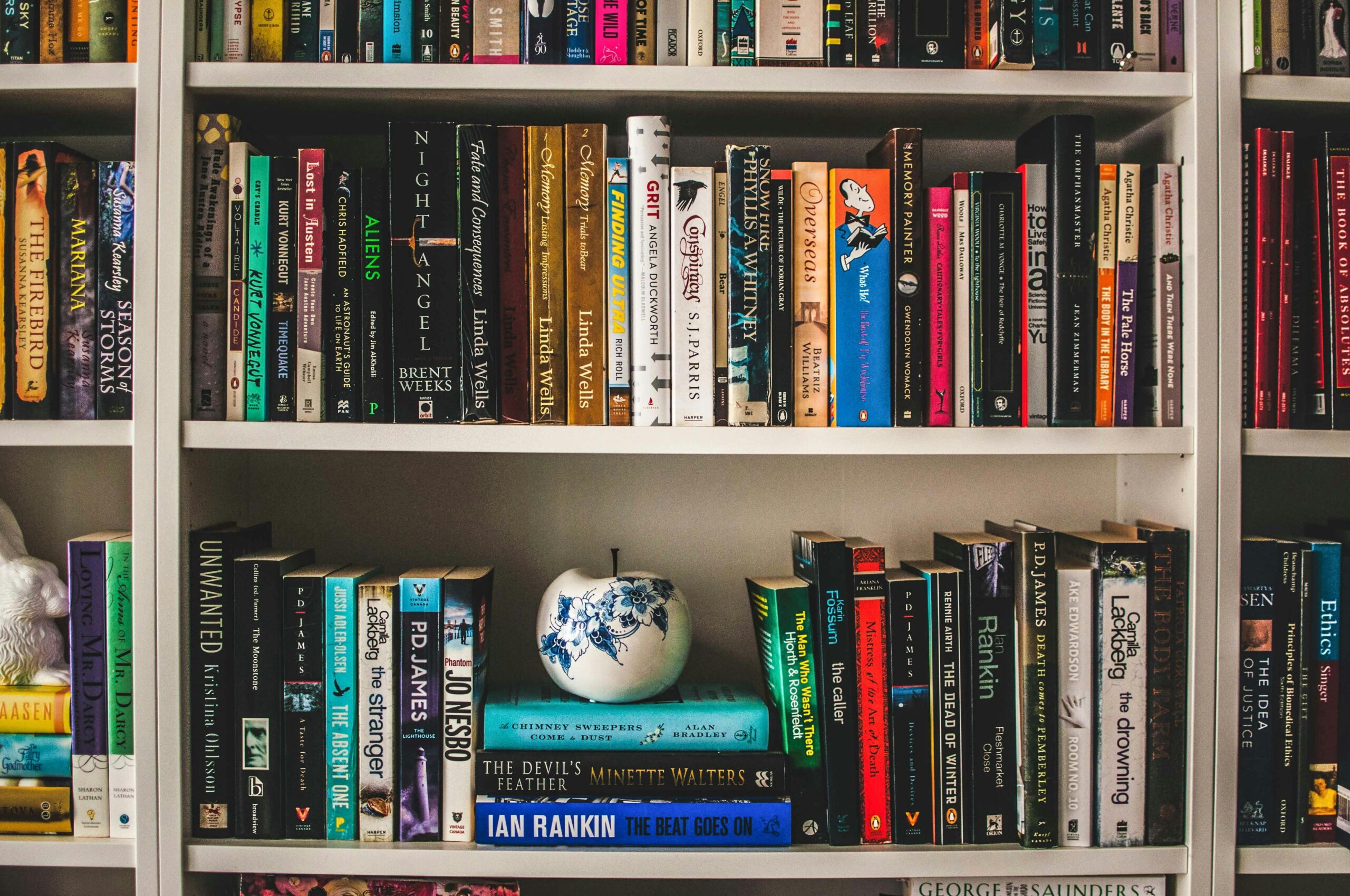
Books are not just possessions; they are portals to different worlds, repositories of knowledge, and reflections of our identities. For book lovers, collecting books isn’t just a hobby; it’s a passion. But with great collections comes the need for creative ways to display them. Whether you have a modest assortment or a vast library, showcasing your books can transform your space into a sanctuary of literary delight. Here are some imaginative ways to display your book collection.

Traditional Bookshelves

Traditional bookshelves are timeless and practical. They come in various styles, sizes, and materials, ranging from classic wooden shelves to sleek metal designs. Organize your books by genre, author, or color to create an aesthetically pleasing arrangement. Add personal touches like framed photos, decorative objects, or small plants to inject personality into your display.

Floating Shelves

Floating shelves offer a minimalist and modern way to showcase your books. They create a sleek, uncluttered look while allowing your books to take center stage. Install them in unconventional places like above doorways, around corners, or even on the ceiling to maximize space and add visual interest to your room.

Stacked Books as Decor

Instead of hiding your books away on shelves, use them as decorative accents throughout your home. Stack books on coffee tables, sideboards, or window sills to add layers of texture and color to your decor. Mix and match different sizes and orientations for an eclectic look, and top them with candles, vases, or sculptures to create stylish vignettes.

Book Nooks and Reading Corners

Designate a cozy corner of your home as a dedicated reading space. Arrange your favorite books on a small bookshelf or stack them on the floor next to a comfortable armchair or chaise lounge. Add plush pillows, soft throws, and a warm rug to create a inviting atmosphere where you can curl up with a good book and escape into another world.

Wall-Mounted Book Racks

Wall-mounted book racks are perfect for small spaces or rooms with limited floor space. Install them vertically or horizontally to create a striking visual display that doubles as functional storage. Experiment with different configurations and angles to achieve a dynamic look that showcases your books in a unique way.

Library Ladders

If you have a large book collection or tall bookshelves, consider installing a library ladder for easy access to high shelves. Library ladders not only add a touch of old-world charm to your space but also make a bold architectural statement. Choose a ladder that complements your decor and hardware that matches your existing fixtures for a cohesive look.

Bookcases as Room Dividers

Use bookcases as multifunctional room dividers to delineate different areas of your home while displaying your books at the same time. Position them perpendicular to walls or in the center of a room to create separate zones for living, dining, or working. Opt for open-back bookcases to maintain an airy feel and allow light to flow through the space.

Conclusion

Displaying your book collection is not just about storage; it’s about celebrating your love for literature and expressing your unique personality and style. Whether you prefer traditional bookshelves, minimalist floating shelves, or unconventional displays, there are countless ways to showcase your books and create a space that reflects your passion for reading. Experiment with different techniques and arrangements until you find the perfect way to display your beloved books and turn your home into a haven for bibliophiles.

Home Decorating Tips for Bachelors: A Comprehensive Guide

Understanding the Bachelor’s Aesthetic: Embracing Minimalism and Functionality

When it comes to home decorating for bachelors, the key is to strike a balance between minimalism and functionality. This doesn’t mean skimping on style; rather, it’s about choosing pieces that are both practical and visually appealing. For instance, a sleek, modern sofa that doubles as a guest bed is both stylish and useful. Opt for furniture with clean lines and neutral colors to create a sophisticated yet uncluttered look.

Color Palette: Choosing the Right Hues for Your Bachelor Pad

The color scheme of your bachelor pad can significantly impact its overall ambiance. Neutral colors like grey, beige, and navy create a calm and relaxing environment, perfect for unwinding after a long day. If you’re inclined towards a bolder approach, consider accentuating with pops of color through accessories like cushions, rugs, or artwork. These add a personal touch without overwhelming the space.

Lighting: Setting the Right Mood

Proper lighting is crucial in defining the mood of your home. For a bachelor’s pad, a combination of ambient, task, and accent lighting works best. Install dimmer switches to easily adjust the lighting according to the time of day or your mood. Floor lamps and table lamps are great for adding warmth to your space, while pendant lights can provide focused illumination for work areas.

Wall Decor: Expressing Personality through Art

Wall decor is a fantastic way to express your personality in your living space. Choose artwork that resonates with your personal style, whether it’s modern abstract paintings, vintage posters, or black-and-white photography. Remember, less is more; a few well-chosen pieces can make a stronger statement than a cluttered wall.

Functional Spaces: Creating a Practical and Stylish Layout

Organizing your space efficiently is essential. Dedicate specific areas for different activities – a comfortable workspace for your professional life, a cozy corner for reading, and a social area for entertaining guests. This not only helps in maintaining a tidy home but also ensures you have a functional space that meets all your needs.

Accessorizing: The Final Touches

Accessories can transform the look of your bachelor pad. Decorative pillows, throws, and area rugs add texture and warmth to the room. Don’t forget about the power of greenery; indoor plants not only enhance the aesthetic appeal but also improve air quality. Choose low-maintenance plants like succulents that add some charm.